






1. PRP: A treatment increasingly associated with hair transplantation
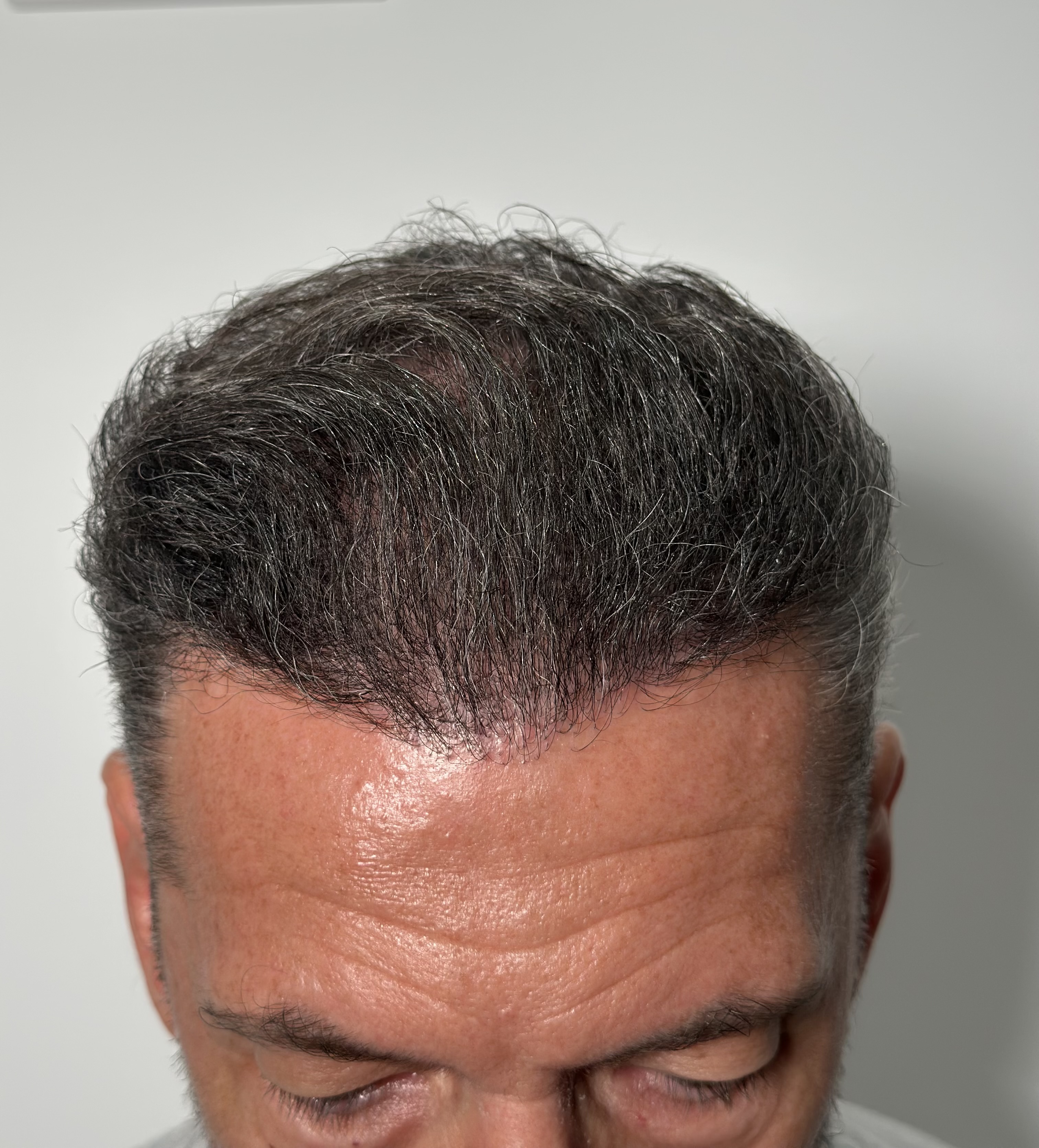
In recent years, hair PRP has become a widely used adjunct in the field of hair transplantation. Many patients considering a hair transplant in Nice now hear about PRP without always fully understanding its role.
PRP, or “Platelet-Rich Plasma,” is a treatment derived from the patient's own blood. Used in several medical fields for many years, it is now integrated into certain hair strategies to support the scalp and hair regrowth.
At Hexagone Clinic in Nice, PRP may be offered in certain situations, particularly as a complement to a hair transplant or as part of personalized hair care.
2. What is hair PRP?
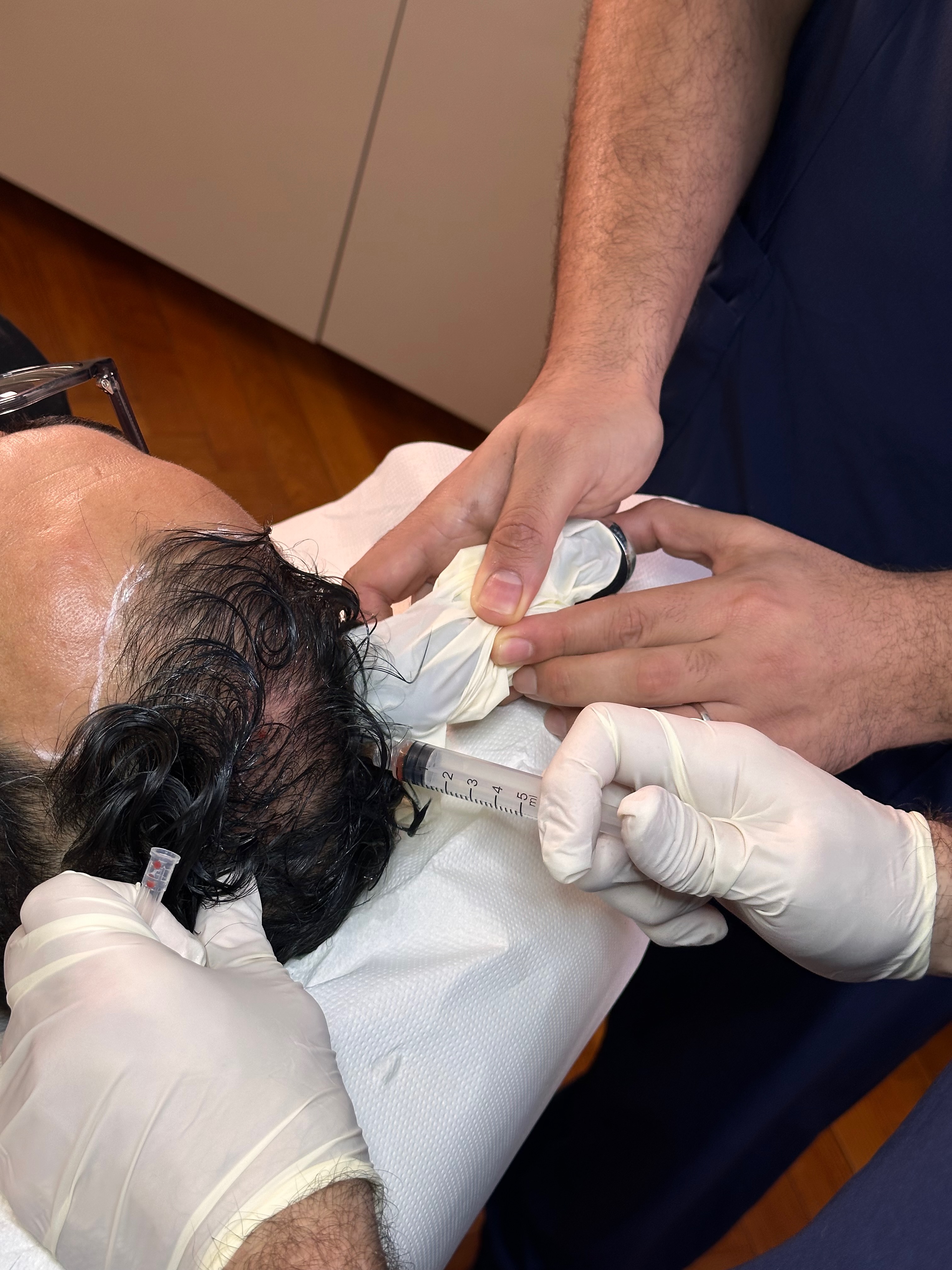
The principle of PRP is relatively simple. A small blood sample is taken from the patient, and then the blood is centrifuged to extract the portion rich in platelets and growth factors.
This concentrate is then reinjected into the scalp. The goal of hair PRP is to improve the environment of the hair follicle and support the quality of the scalp and existing hair.
3. Why combine PRP with a hair transplant?
Today, many patients are no longer solely looking for a surgical procedure. They desire a more holistic approach to their hair health.
PRP is therefore often considered an adjunct to hair transplantation in Nice for several reasons:
- support the scalp
- optimize the hair environment
- support existing hair
- improve overall hair quality
- contribute to the overall post-transplant follow-up
PRP obviously doesn't replace a transplant when an area is completely bald, but it can be integrated into a more comprehensive hair strategy.
4. Can PRP replace a hair transplant?
This is a very common question during consultations. The answer primarily depends on the stage of hair loss. When alopecia is still mild or moderate, certain treatments like PRP can sometimes be considered before a hair transplant.
However, when an area no longer contains enough active follicles, PRP alone cannot recreate full density. The purpose of the consultation is precisely to determine the most suitable solution for the patient.
5. Is PRP painful?
PRP treatment is generally well-tolerated. Injections are administered directly into the scalp and take a relatively short amount of time.
Some patients experience minor temporary sensitivities, but the session generally remains simple and quick. PRP typically does not require significant social downtime.
6. When should PRP be performed after a hair transplant?
The timing depends on the proposed protocol and the patient's situation.
In some cases, PRP can be integrated:
- before a hair transplant
- after the procedure
- during regrowth follow-up
- as part of maintaining existing hair
Each strategy remains personalized according to hair type, alopecia, and the patient's objectives.
7. Is PRP suitable for both men and women?
Yes. Hair PRP is used for both men and women. For women, it is often recommended in cases of diffuse thinning or to support certain losses of hair density.
For men, it can complement a comprehensive strategy involving hair transplant in Nice and the maintenance of existing hair.
8. Why are patients increasingly interested in PRP?
Patient expectations have evolved significantly in recent years.
Today, they are looking for more comprehensive and preventive approaches to hair health.
PRP particularly appeals to patients who wish to:
- take care of their existing hair
- support their hair transplant
- improve overall scalp quality
- integrate complementary treatments into their hair care strategy
This more holistic approach explains the significant growth of PRP in specialized clinics.
9. Hexagone Clinic: A Personalized Approach to Hair Treatment
At Hexagone Clinic, each patient receives a personalized analysis of their hair situation.
Dr. Claire Sabatier-Cabrol and Dr. Henry Sabatier specifically evaluate:
- the type of alopecia
- the condition of the scalp
- the quality of the donor area
- the existing hair
- the patient's expectations
This approach helps determine if PRP could be beneficial as a complement to a hair transplant in Nice.
Frequently Asked Questions (FAQ)
Does PRP regrow hair?
PRP can support the quality of existing hair and the scalp, but it does not replace a hair transplant in a completely bald area.
Is PRP mandatory after a hair transplant?
No. PRP is a complementary treatment that may be offered depending on the patient's needs.
How many PRP sessions are needed?
The protocol varies depending on the patient and the desired outcomes.
Is PRP compatible with a hair transplant?
Yes. PRP is now frequently used as a complement to a hair transplant.
In conclusion
The Hair PRP is now one of the most commonly used treatments in addition to a hair transplant in Nice.
While not replacing a transplant when necessary, it can be integrated into a more comprehensive, personalized hair strategy that is more focused on the quality of the scalp and existing hair.