






Introduction
After a hair transplant, many patients wonder if transplanted hair can fall out again over time. This is a legitimate question, as hair loss is often linked to androgenetic alopecia, an evolutionary condition.
A hair transplant makes it possible to redistribute follicles that are resistant to hair loss in bald areas. However, it is important to understand how transplanted hair works and how it evolves over time.
In a hair clinic in Nice, doctors and practitioners always explain these mechanisms so that patients understand the regrowth process after a hair transplant.
1. Temporary hair loss after a hair transplant
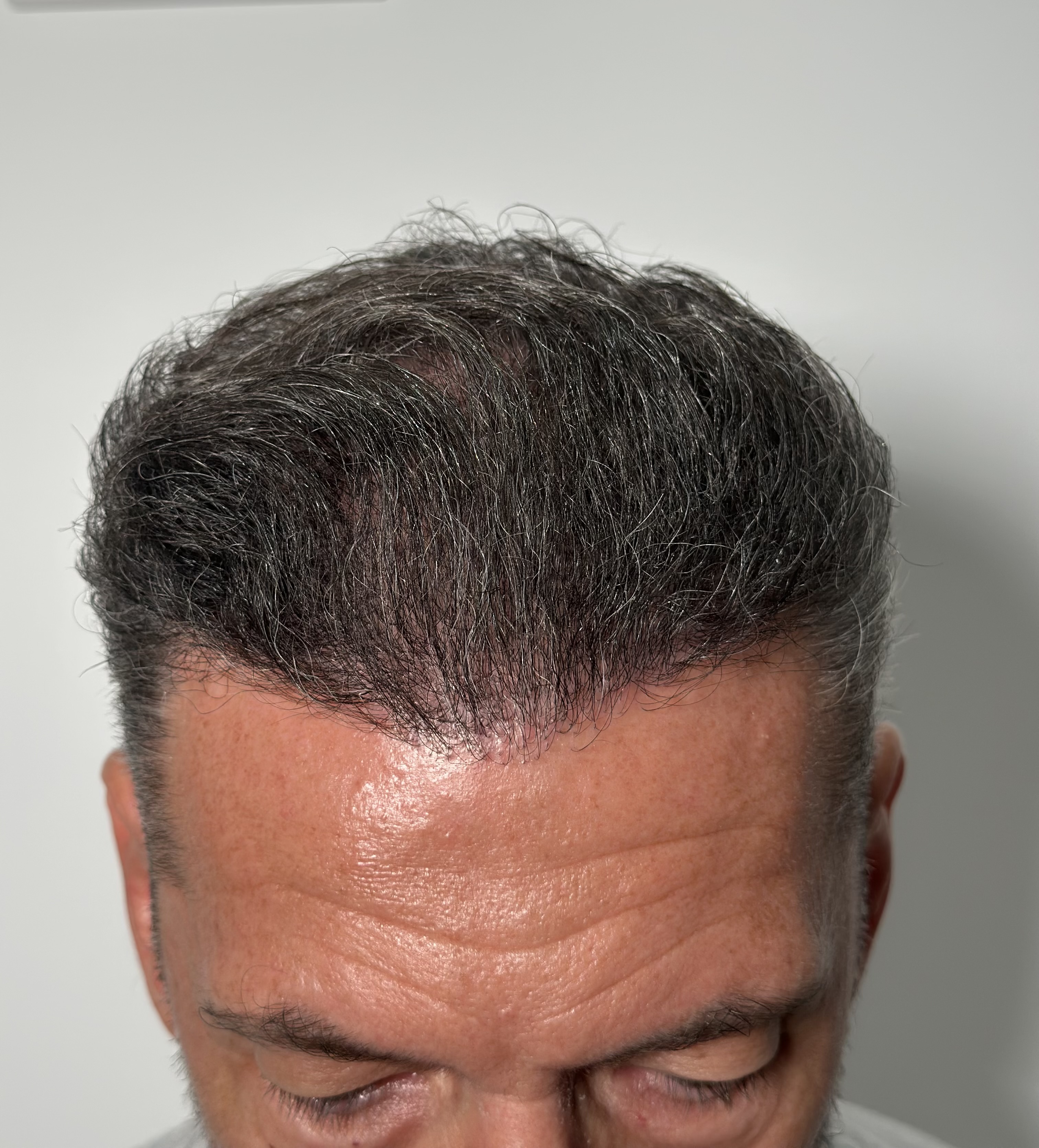
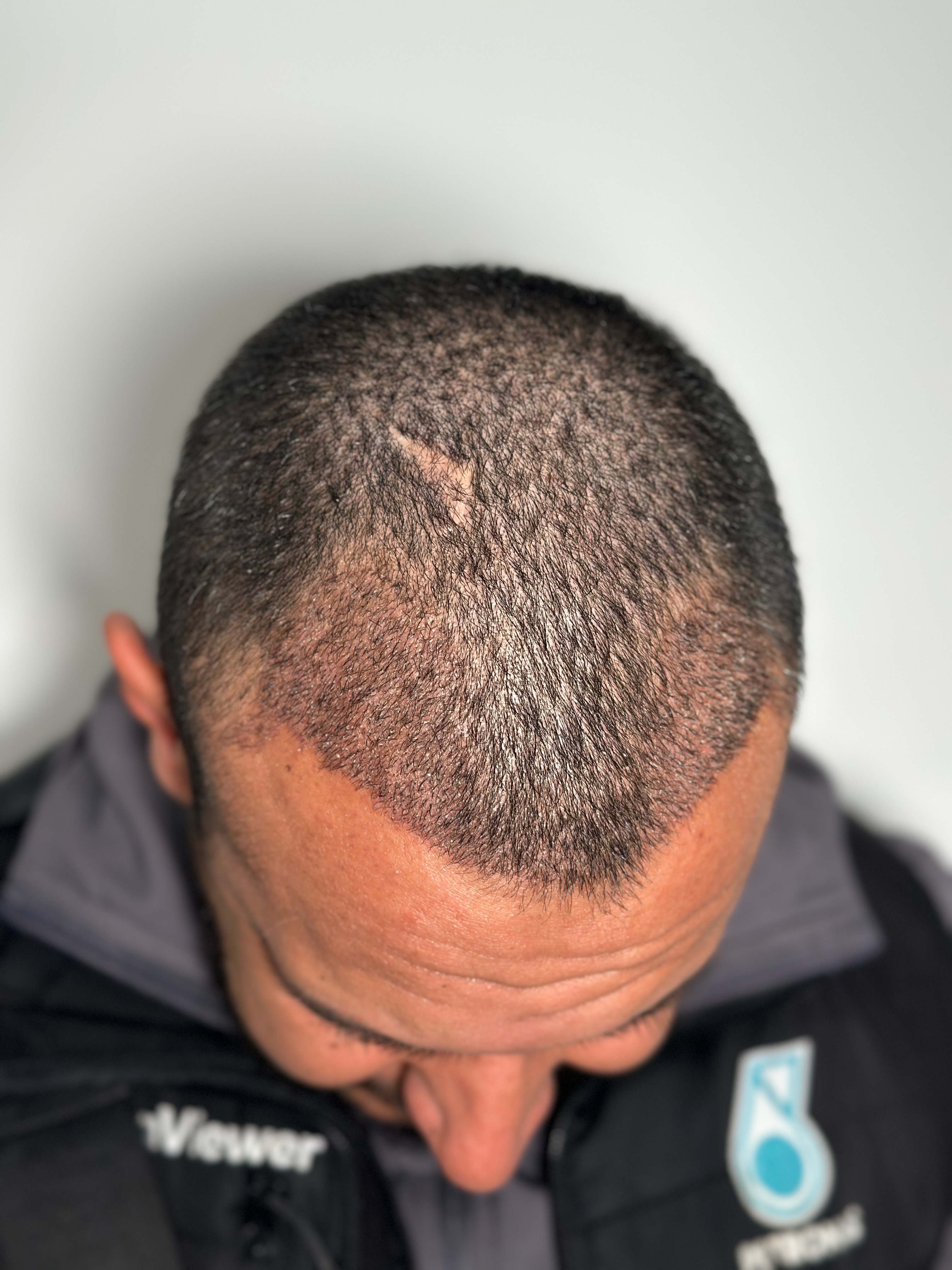
After the procedure, it is normal to see a loss of the transplanted hair in the first few weeks.
🔹 loss of transplanted hair between 2 and 6 weeks
🔹 resting phase of the follicles
🔹 gradual regrowth after 2 months
💡 This loss is normal: only the hair falls out, but the implanted follicles remain in place in the scalp.
2. Is transplanted hair permanent?
The follicles used for a hair transplant generally come from the donor area, located at the back of the scalp.
🔹 follicles that are genetically resistant to shedding
🔹 preservation of this resistance after implantation
🔹 gradual and sustainable regrowth
🔹 behavior similar to natural hair
💡 In the majority of cases, transplanted hair maintains its resistance to alopecia and continues to grow sustainably.
3. The evolution of non-transplanted hair
Even if transplanted hair is resistant, the natural hair around it can continue to evolve.
🔹 possible progression of alopecia
🔹 gradual decrease in natural density
🔹 modification of the capillary balance
🔹 need for follow-up in some cases
💡 This is why a hair transplant in Nice should always be planned in advance of the future evolution of hair loss. A treatment will be offered to you in order to preserve your current hair and the transplanted hair.
4. The role of medical follow-up
Follow-up after a hair transplant is essential to support regrowth and monitor the evolution of hair loss.
🔹 control of healing
🔹 followed by hair regrowth
🔹 tips for maintaining existing hair
🔹 adaptation of care if necessary
💡 Experienced doctors and practitioners ensure this follow-up in order to optimize the results of hair transplantation.
Within a hair clinic in Nice like Hexagone Hair Clinic, this support makes it possible to secure the evolution of results.
Conclusion
Transplanted hair is generally durable because it comes from an area that is naturally resistant to hair loss. However, hair loss may continue to develop around the transplanted area.
A well-planned hair transplant followed by doctors and specialized practitioners allows for a natural and stable result over time.
📞 Do not hesitate to contact us contact for a consultation and start your journey to renewed hair!