






Introduction
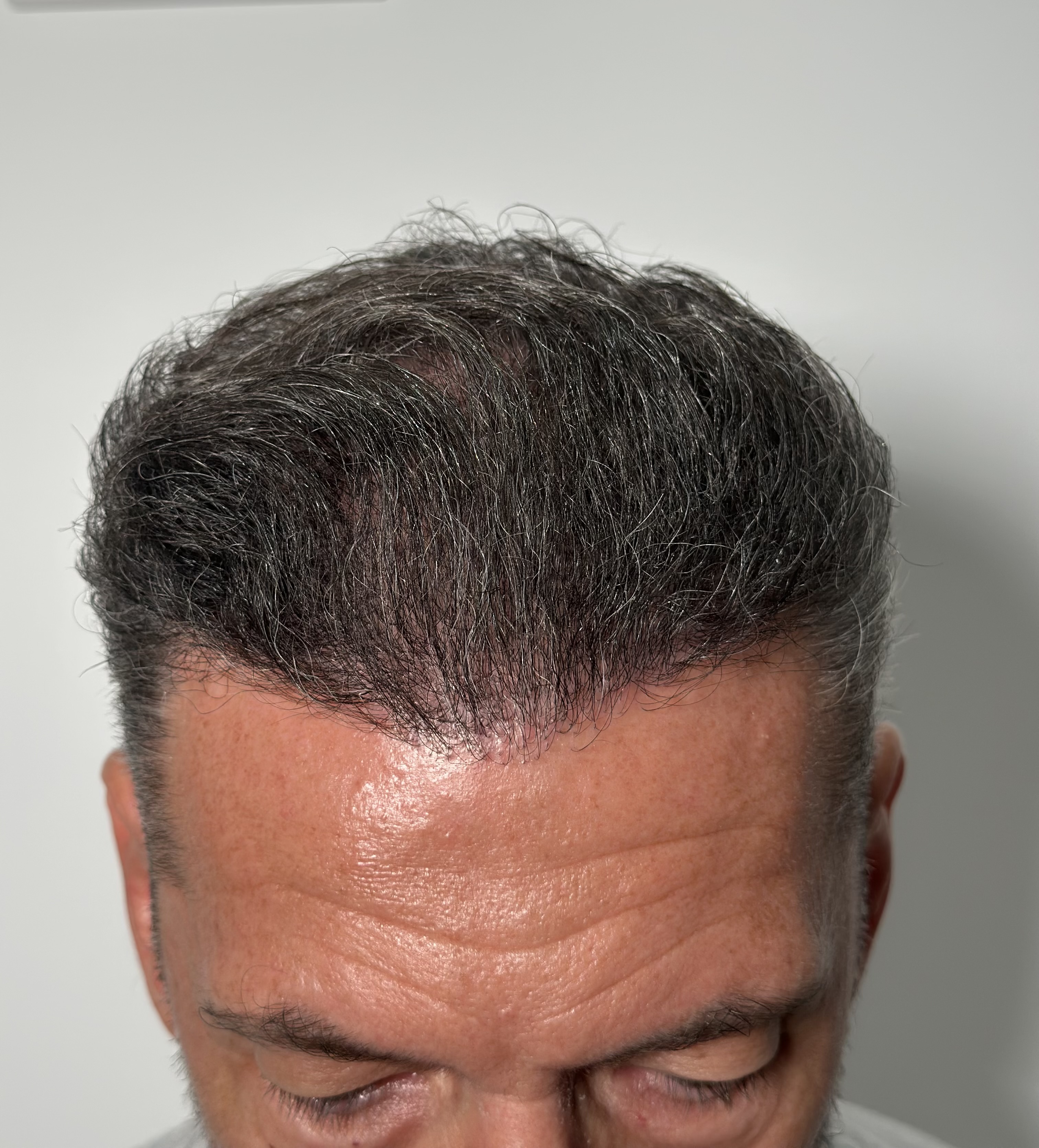
When a patient is considering a hair transplant in Nice, the focus is often on the area to be treated. However, one of the most important elements in the success of a hair transplant is the donor zone. This zone corresponds to the part of the scalp from which follicles are taken to be re-implanted in areas with hair loss.
In a hair transplant in Nice, the analysis of the donor area is essential in order to determine if a hair transplant is possible and how many grafts can be used. This evaluation is carried out by doctors and practitioners in order to maintain hair balance in the long term.
Within a hair clinic in Nice like Hexagone Hair Clinic, this analysis makes it possible to plan a hair transplant adapted to each patient.
1. What is the donor zone?
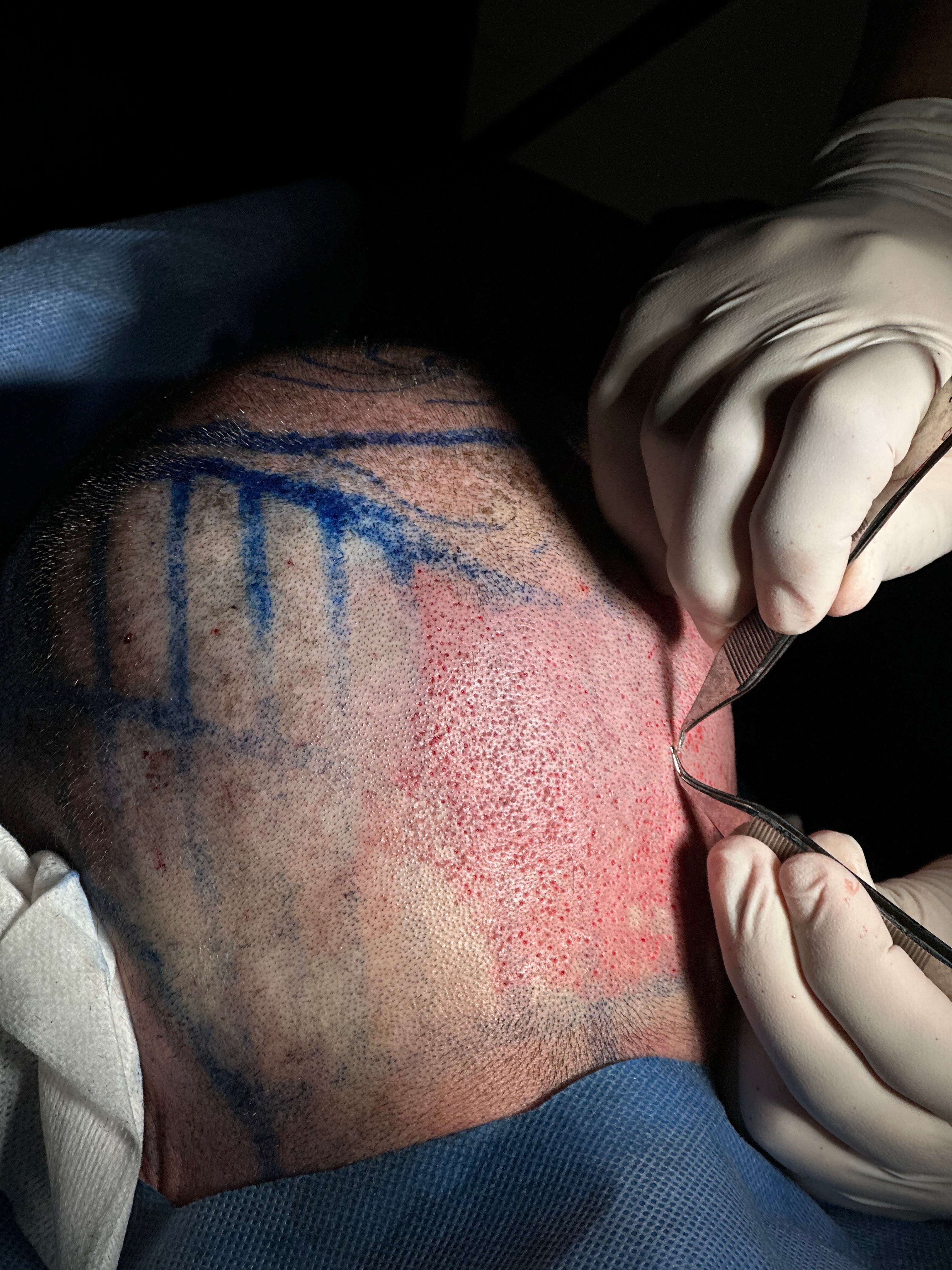
The donor area generally corresponds to the back and sides of the scalp. The follicles present in this area have a particular characteristic: they are genetically more resistant to hair loss associated with androgenetic alopecia.
🔹 located at the back of the scalp
🔹 composed of follicles that are more resistant to shedding
🔹 used to remove grafts during a hair transplant
🔹 essential for restoring bald areas
💡 In a hair transplant in Nice, follicles taken from the donor area generally maintain their resistance to loss once implanted in a new area.
2. Why is the donor area so important?
The quality of the donor area largely determines the result of a hair transplant.
🔹 available follicular density
🔹 hair thickness
🔹 elasticity of the scalp
🔹 sampling surface possible
💡 Doctors analyze these parameters in order to assess the ability of the donor area to provide enough grafts for a natural and balanced hair transplant.
3. Preserving the donor area
A hair transplant should always be performed while respecting the donor area in order to avoid a visible decrease in density.
🔹 progressive removal of follicles
🔹 homogeneous distribution of samples
🔹 respect for natural density
🔹 long-term planning
💡 Preserving the donor area is essential to maintain a natural appearance and possibly allow for other interventions if necessary.
4. The role of doctors and practitioners
The management of the donor area requires specific expertise during a hair transplant.
🔹 assessment of follicular density
🔹 estimation of the number of available grafts
🔹 sampling planning
🔹 implantation of follicles in bald areas
💡 The experience of doctors and practitioners makes it possible to optimize the use of the donor area while maintaining a harmonious result.
Within a specialized hair clinic like Hexagone Hair Clinic, this approach makes it possible to ensure a hair transplant adapted to each patient.
Conclusion
The donor area plays a central role in the success of a hair transplant in Nice. Its analysis makes it possible to determine the number of grafts available, the implantation strategy and the feasibility of the intervention.
An evaluation carried out by experienced doctors and practitioners makes it possible to preserve this essential area and to obtain a natural and sustainable hair transplant in France.
📞 Do not hesitate to contact us contact for a consultation and start your journey to renewed hair!