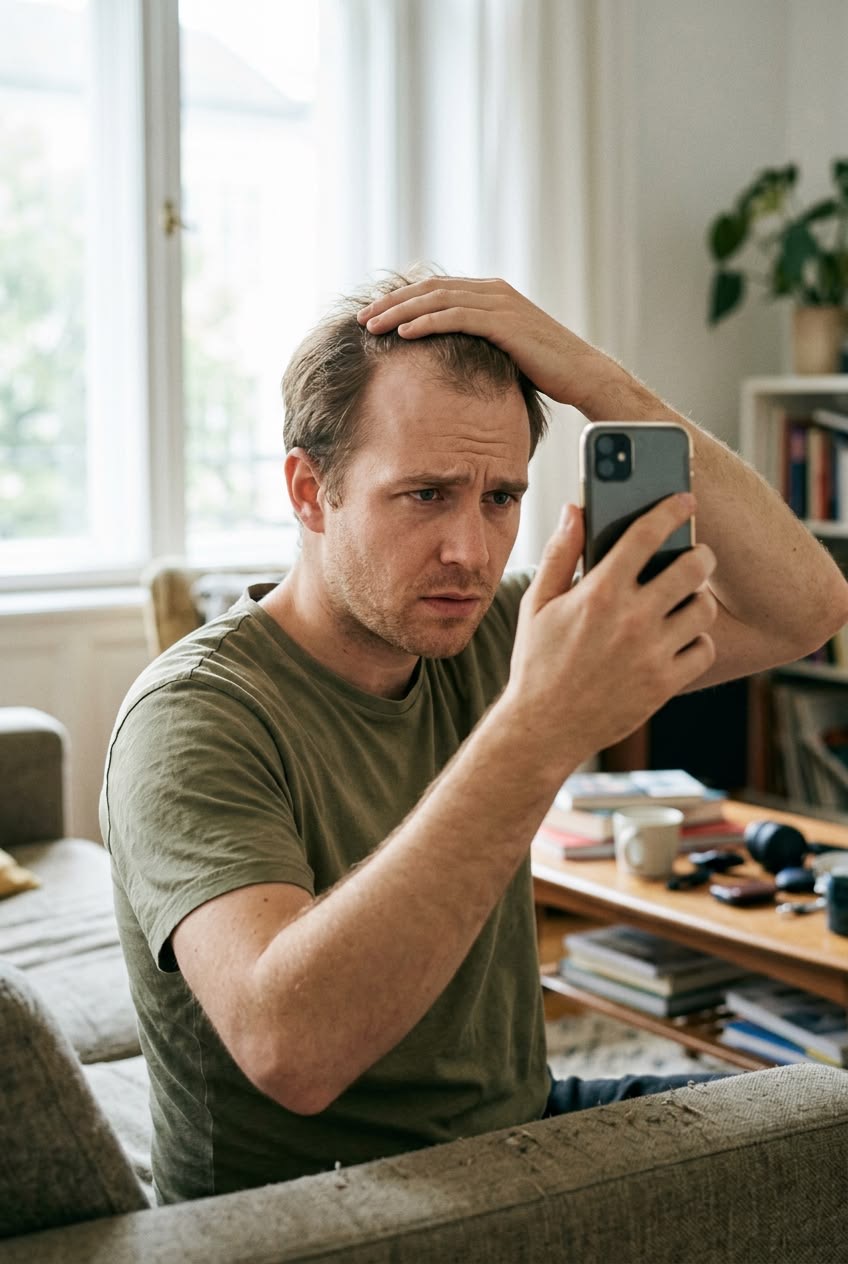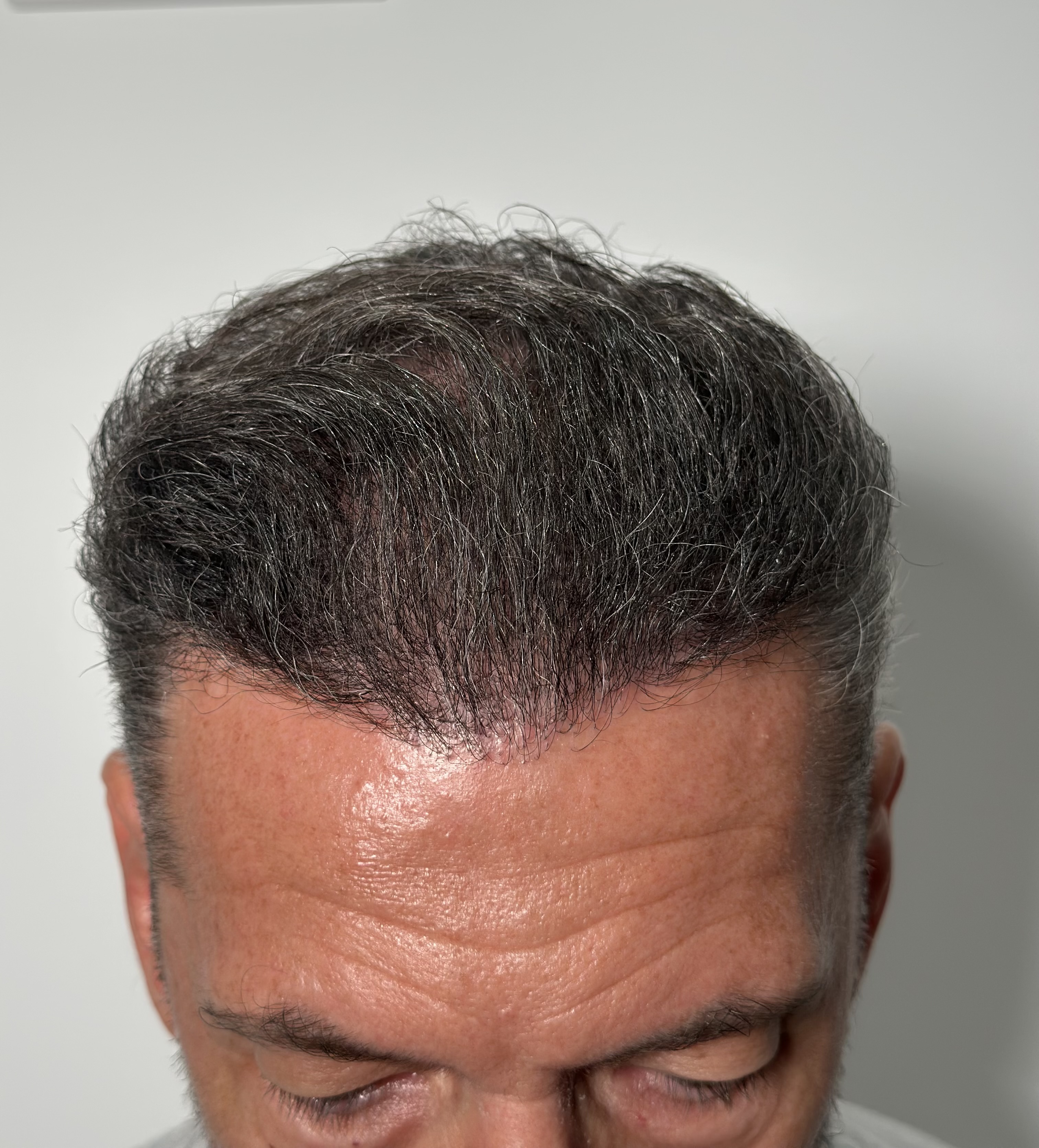





Turkey, Spain, India, Hungary, Hungary, Hungary, Poland, Mexico: hair medical tourism concerns tens of thousands of patients each year. Saving 30 to 70% on the cost of the intervention is a powerful motivation. But what are the real benefits and the real risks? How do you make an informed choice? And what alternative is there in France?
The main destinations of hair medical tourism
Turkey largely dominates the European market with more than 60% of French people leaving to be transplanted abroad. Istanbul has hundreds of clinics, from low-cost to ultra-premium. Prices: €1,500-4500.
Hungary (Budapest) and Poland are interesting intra-European alternatives for their EU regulatory framework. Rates: €2,500-5,000.
India and Mexico attract patients looking for ultra-low-cost packages (€1,000-2,500) but the health risks are higher there.
Spain (Barcelona, Madrid) and Portugal offer intermediate rates (€4,500-7,000) with generally good quality.
The real advantages of hair medical tourism
Cost remains the main argument: savings of 40 to 70% compared to a large French capital. For patients without the need for close follow-up, this gain is undeniable. Some countries offer access to techniques or equipment that are sometimes less available in France. However, modern techniques (FUE Sapphire, DHI) are now widely used throughout Europe. For some patients, the tourist dimension of medical travel is a real plus: it combines intervention and discovery of a new city.
The real risks of hair medicine tourism
The main risk is the lack of structured follow-up over 12 months. Hair transplantation is not just about the big day: healing, the shock fall, the start of regrowth, the final densification require regular medical control. Complications, which are rare but possible (folliculitis, infection, infection, necrosis, abnormal regrowth), are difficult to manage from abroad. French doctors often refuse to take care of foreign post-transplant complications.The language barrier on D-Day can compromise the precise definition of the project (frontal line, density, angle). A misunderstanding and the result did not meet expectations. Legal remedies in the event of medical malpractice are almost impossible from France.
Questions to ask yourself before a medical trip
1. Is the clinic really certified and recognized in its country?
2. How many patients are operated on per day? A single transplant per day is a sign of quality.
3. Is 12-month follow-up included or at an additional cost?
4. What is the procedure in case of a complication, remotely and on site?
5. Do doctors speak my language? Is there a French-speaking reference doctor?
6. What truly verifiable before-and-after photos are available? (distrust of overly spectacular results on marketing sites)
The French alternative at European rates
Hexagone Clinic in Nice offers rates aligned with good European clinics (from €2,200 for 1,000 grafts, €3,800 for 2,000), with all the advantages of an intervention in France: national legal framework, follow-up over 12 months included, 12-month follow-up included, French-speaking team, possible remedies. For many patients, the price difference with low-cost destinations no longer justifies traveling abroad once all the costs have been integrated (flight, hotel, alterations, management of complications).
Frequently asked questions (FAQ)
Is hair medical tourism really economical?
Yes on the call rate, but much less once flight, hotel, medication are integrated, there is no follow-up and possible adjustments. The real economy is often 20-40% maximum compared to a good French clinic.
What is the safest destination for a hair transplant abroad?
European countries (Spain, Portugal, Hungary) offer a better regulatory framework than Turkey. But no foreign destination equals the comfort of a local follow-up in France.
What to do in case of a remote complication?
This is the major weak point of medical tourism: most French doctors refuse to manage the complications of foreign transplants. You may have to return to the site at your own expense.
What is the most economical French alternative?
Hexagone Clinic in Nice offers European rates (from €2,200) with full French follow-up over 12 months. A serious option for not having to travel.
How to assess the quality of a foreign clinic from France?
Verify the official certification, request verifiable before-and-after photos with patient contacts, read independent reviews (forums, Trustpilot), and require a detailed video review with a doctor (not a commercial).
📞 Do not hesitate to contact us contact for a consultation and start your journey to renewed hair!