
Why is the “shock fall” phase a normal stage?

Grafts

Although this phase can be destabilizing, it is part of the natural hair cycle after a hair transplant.

Why is the “shock fall” phase a normal stage?

Introduction

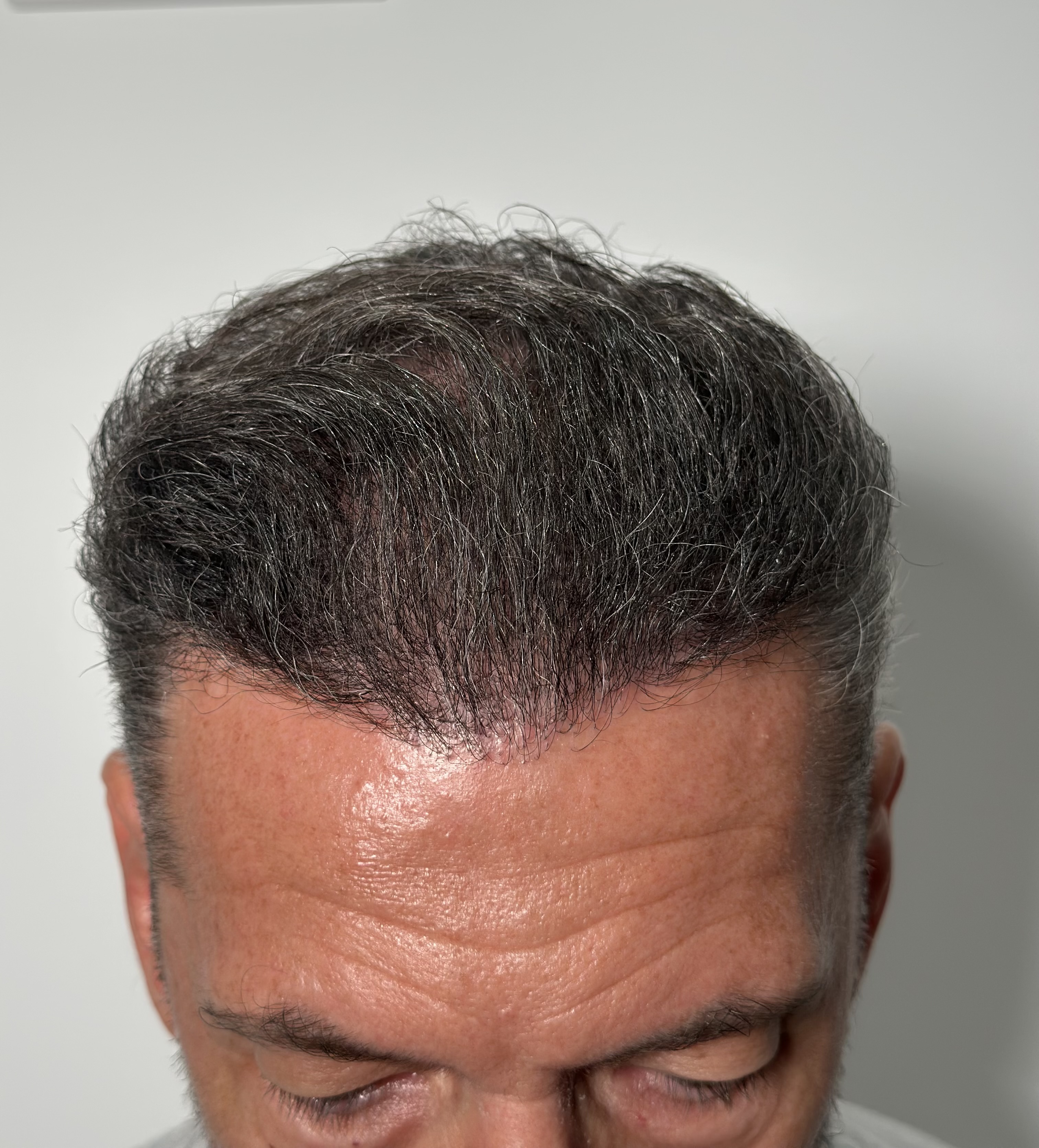
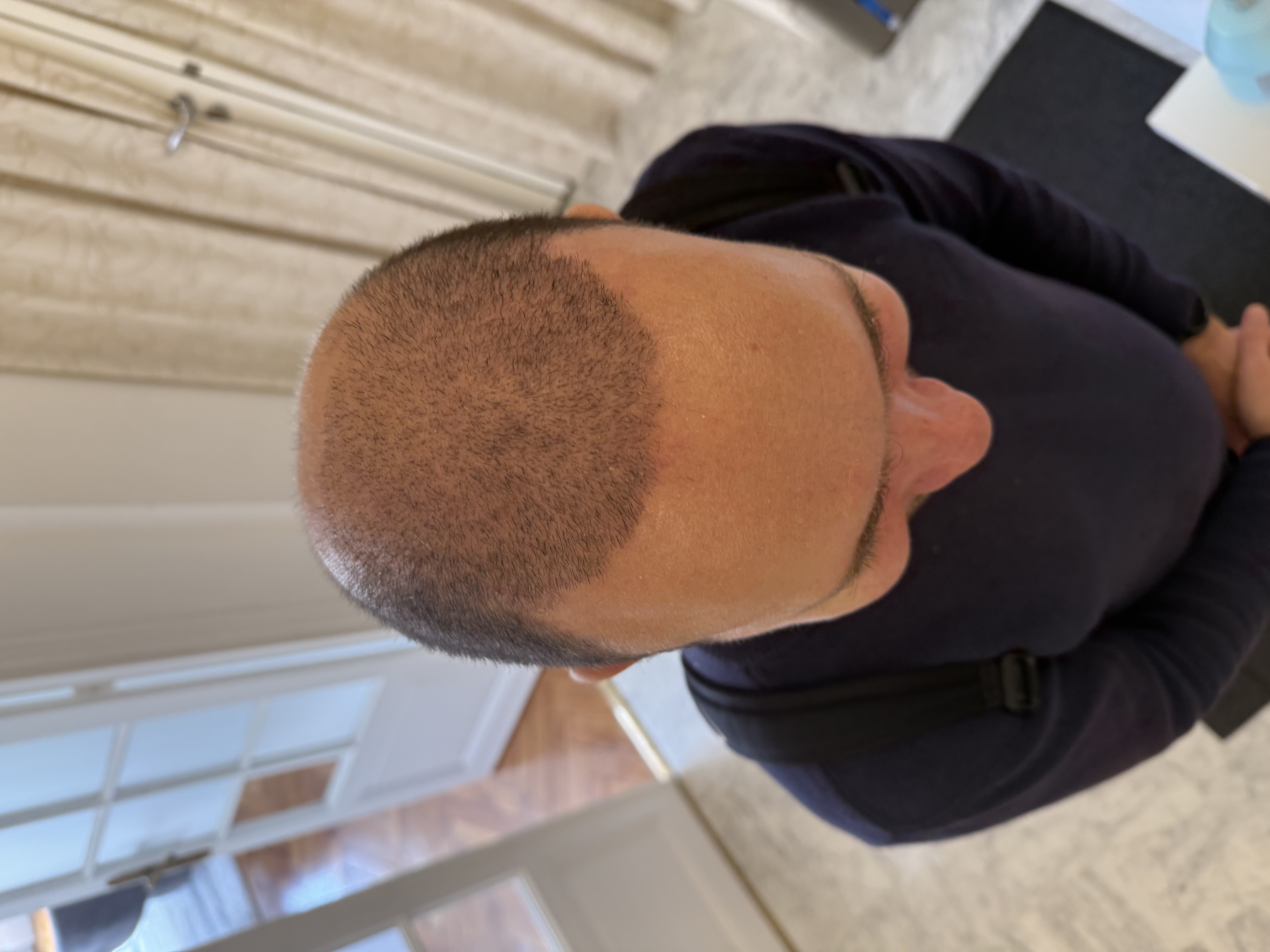
After a hair transplant in Nice, some patients are worried about seeing the transplanted hair fall out in the weeks following the procedure. This phenomenon, called “shock fall,” is a normal part of the regrowth process.

Although this phase can be destabilizing, it is part of the natural hair cycle after a hair transplant.

1. What is shock fall?

Shock loss corresponds to the temporary loss of transplanted hair.

🔹 loss of transplanted hair after a few weeks
🔹 disappearance of the hair shaft
🔹 maintaining the follicle under the skin
🔹 resting phase before regrowth

💡 This fall is normal after a hair transplant in Nice and does not mean failure.

2. Why does transplanted hair fall out?

Hair transplantation causes the follicle to adapt.

🔹 stress related to the intervention
🔹 change of environment
🔹 temporary interruption of the hair cycle
🔹 natural rest phase

💡 The follicle stays in place and starts up again gradually.

3. When does regrowth start?

The regrowth of transplanted hair occurs gradually.

🔹 Start of regrowth around 3 months
🔹 fine hair at the start
🔹 gradual thickening
🔹 evolution over several months

💡 The final result of a hair transplant in France is observed between 12 and 18 months.

4. How do you manage this phase?

It is important to remain patient during this time.

🔹 respect post-operative instructions
🔹 avoid worrying too quickly
🔹 follow the evolution progressively
🔹 maintain medical follow-up

💡 Support from doctors and practitioners reassures the patient.

At a Hexagone Hair Clinic, this follow-up makes it possible to support each stage.

Conclusion

Shock loss is a normal stage after a hair transplant in Nice. It is part of the regrowth cycle and precedes the hair growth phase.

A good understanding of this phenomenon makes it possible to approach hair transplantation with more serenity.

📞 Do not hesitate to contact us contact for a consultation and start your journey to renewed hair!

Why does hair become thinner over time?

Featured

Grafts

Why does hair become thinner over time?

Do you feel like your hair doesn't hold a style the way it used to? Does your ponytail seem thinner, or has your stylist mentioned that your hair is losing its density? Yet, you don't necessarily notice more hair in your brush...

Failed hair transplant: common causes and corrective solutions

Featured

Grafts

Failed hair transplant: common causes and corrective solutions

It is one of the most common fears before taking the plunge: what if the results don't live up to expectations? Images of unnatural hairlines or damaged donor areas, often associated with low-cost, assembly-line procedures, only fuel this anxiety.

Exosomes and hair regrowth: what is the state of the science in 2026?

Featured

Treatments

Exosomes and hair regrowth: what is the state of the science in 2026?

Exosomes. Sometimes hailed as the next revolution in hair care, they spark as much hope as they do confusion. Here is the current state of play in 2026, with no empty promises and no shortcuts.

4,000-Graft Mega Session: Everything You Need to Know Before You Start

Featured

Grafts

4,000-Graft Mega Session: Everything You Need to Know Before You Start

While mega-sessions of 4,000 grafts or more are possible, they are not suitable for every patient. This article details the eligibility requirements, the procedure for such a session, and the criteria used to determine if this approach is right for you.

Hairline lowering: the transplant that restores facial balance

Featured

Grafts

Hairline lowering: the transplant that restores facial balance

A natural hairline is never just a line. It is a transition zone 5 to 10 mm thick, constructed according to precise rules.

Why will two people with the same hair loss never have the same hair transplant plan?

Featured

Grafts

Why will two people with the same hair loss never have the same hair transplant plan?

Two patients might present with hair loss that looks visually identical, but require a completely different approach. Why? Because a hair transplant is never decided solely by observing a bald area.