






1. Pool, Sea, Holidays: A Very Common Question After a Hair Transplant
When a patient undergoes a hair transplant in Nice during the summer, a question almost always comes up during the post-operative consultation:
“Can I go to the pool or swim in the sea after the transplant?”
This concern is completely normal. Summer is naturally associated with holidays, swimming, and outdoor activities. However, many patients wrongly fear that a hair transplant will completely prevent them from enjoying this period.
In reality, it's not about prohibiting holidays or swimming, but simply about respecting a temporary healing period to properly protect the scalp and freshly implanted grafts.
At Hexagone Clinic in Nice, many patients undergo their hair transplant in the middle of summer and then gradually resume their summer activities with a few simple precautions.
2. Why Does the Scalp Remain Fragile After a Hair Transplant?
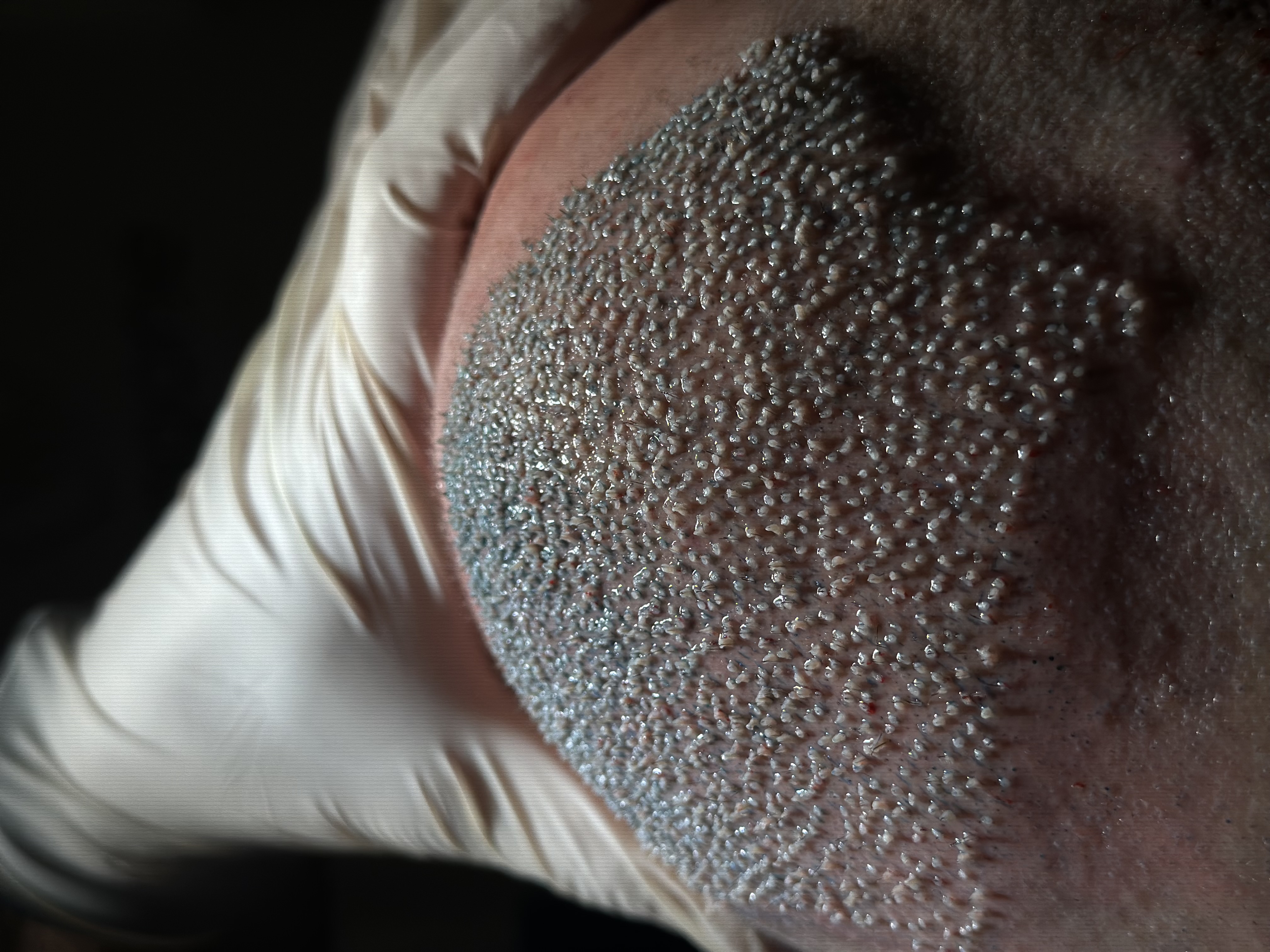
After a hair transplant in Nice, the implanted grafts gradually begin their stabilization phase in the scalp.
During this period, the skin remains temporarily more sensitive to:
- friction
- excessive moisture
- sun exposure
- irritation
- bacteria
- to chemicals present in some waters
The scalp must therefore heal under the best possible conditions during the first days and weeks following the procedure.
It is precisely for this reason that certain water activities should be resumed gradually.
3. Why swimming pools require more caution after a hair transplant
The main issue with swimming pools after a hair transplant in France mainly concerns chlorine and water treatment products.
During the initial healing phase, the scalp can be more reactive to these substances.
Premature exposure can sometimes lead to:
- scalp irritation
- itching
- a feeling of discomfort
- excessive dryness
- a less comfortable recovery
This is why specialists in hair transplantation in Nice generally recommend waiting before resuming swimming in pools.
4. Is the sea less problematic after a hair transplant?
Many patients believe the sea is completely risk-free because it is "natural." However, it also requires some precautions after a hair transplant.
Saltwater, sand, and especially prolonged sun exposure can irritate a still-sensitive scalp.
The problem, therefore, doesn't just come from the water itself, but from all the associated summer conditions:
- intense sun
- perspiration
- salt
- sand
- heat
- friction from towels or beach accessories
After a hair transplant in Nice, recovery must therefore remain gradual.
5. Can you still enjoy your vacation after a hair transplant?
Yes, absolutely.
A hair transplant doesn't prevent you from enjoying summer or a vacation on the French Riviera. Many patients specifically choose this period due to holidays and a calmer pace.
During the first few weeks, it is simply advised to:
- avoid swimming too early
- properly protect the scalp
- avoid prolonged sun exposure
- follow the post-operative care instructions given by the clinic
Patients can absolutely continue to:
- go out
- walk
- go to a restaurant
- enjoy vacation
- spend time outdoors
The main goal is still to avoid significant damage to the scalp during the healing phase.
6. Why summer is still an excellent time for a hair transplant
Contrary to popular belief, summer remains one of the most requested times for a hair transplant in Nice.
This season offers several significant advantages:
- more availability
- ability to take time off
- calmer recovery
- more flexible organization
- often a more discreet return to work
Many patients take advantage of their vacation to undergo a procedure they had sometimes been postponing for several years.
7. Southern France: A climate that primarily requires common sense
In Nice, sunshine and summer activities are naturally part of daily life.
At Hexagone Clinicpost-operative recommendations are therefore tailored to this reality. The goal is not to deprive patients of summer, but rather to teach them how to intelligently manage their recovery during the first few weeks.
With a few simple precautions, recovery generally goes very well, even during the summer.
8. The Most Common Mistakes After a Hair Transplant in Summer
Certain mistakes are frequently made by patients eager to resume their normal activities:
- direct sun exposure without protection
- swimming too early
- excessive sweating
- rubbing the scalp with a towel
- lack of sun protection
- resuming intense sports activities too quickly
These behaviors can unnecessarily irritate the scalp during the recovery phase.
9. Why International Patients Often Choose Summer for Their Hair Transplant in Nice
At Hexagone Clinic, many patients come from all over France, but also from Switzerland, Belgium, Italy, and the United Kingdom.
Summer makes planning much easier:
- more flights
- easier to take time off
- option to stay a few days in Nice
- recovery in a pleasant setting
This explains why demand increases sharply during this period.
10. Hexagone Clinic: A Realistic Approach to Summer Recovery
At Hexagone Clinic in Nice, Dr. Claire Sabatier-Cabrol and Dr. Henry Sabatier guide patients with simple, clear recommendations tailored to their lifestyle.
The goal is to help each patient experience their recovery serenely, without unnecessary stress, while properly protecting their hair transplant during the summer.
Each protocol remains personalized according to:
- the type of transplant
- the scalp
- the patient's habits
- planned vacation activities
Frequently Asked Questions (FAQ)
Canyou go swimming after a hair transplant?
Yes, but it is recommended to wait for the period indicated by the medical team to protect the scalp during healing.
Can you swim in the sea after a hair transplant?
Resuming swimming should be gradual to avoid irritation and damage to the transplanted area.
Why should you avoid swimming too soon?
The scalp remains temporarily more sensitive after a hair transplant.
Is summer still a good time for a hair transplant in Nice?
Yes, absolutely. With a few simple precautions, summer is even a very convenient time for many patients.
In conclusion
Undergoing a hair transplant in Nice in summer remains perfectly compatible with vacations and a normal summer life.
The most important thing is simply to respect the healing phase and gradually reintroduce water activities to properly protect the scalp during the first few weeks following the procedure.
📞 Feel free to contact us for a consultation and start your journey towards renewed hair!