






1. Gummies, vitamins, food supplements: the hair growth market is exploding
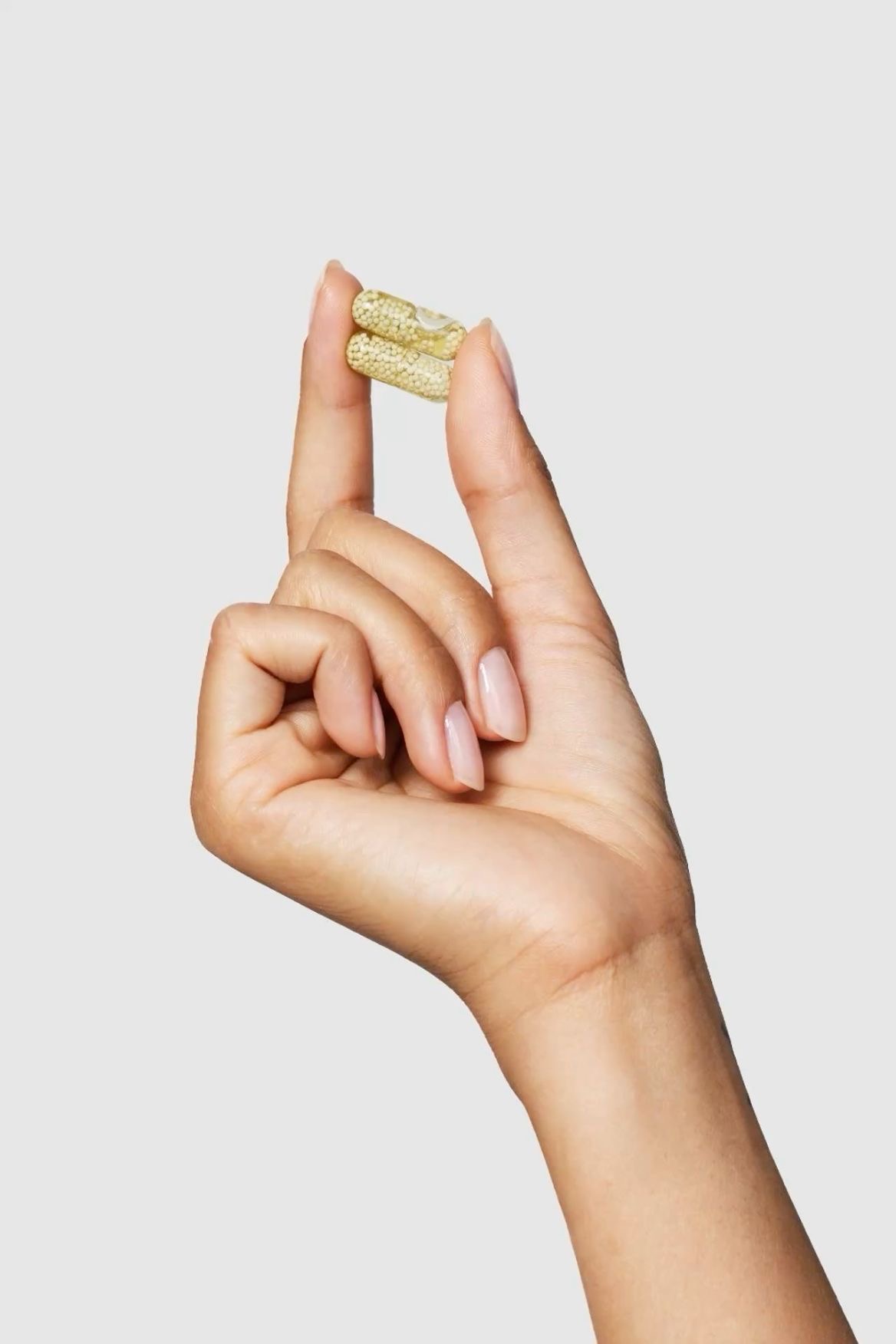
For several years now, hair supplements have been incredibly successful. On social media, in pharmacies, and online, the promises are numerous: thicker hair, accelerated growth, restored density, and even stopping hair loss.
Faced with these messages, many patients naturally ask themselves the question:
“Can a food supplement prevent a hair transplant?”
At Hexagone Clinic in Nice, this question comes up very frequently during consultations. Many patients have sometimes tried several courses of treatment before consulting, hoping to regain lost density.
The reality, however, is more nuanced.
Food supplements can have their place in certain situations, but they do not replace a hair transplant in Nice when hair follicles have disappeared.
2. Why are food supplements so appealing?
The success of food supplements is easily explained.
They offer several advantages:
- simple to use
- non-invasive solution
- available without surgery
- often lower cost than a transplant
- natural and reassuring image
For a patient who is starting to lose their hair, it's logical to want to try a simple solution before considering a more significant procedure.
The problem arises when expectations become unrealistic.
3. How do hair supplements actually work?
Hair supplements generally contain several nutrients involved in hair health:
- biotin (vitamin B8)
- zinc
- vitamin D
- iron
- selenium
- amino acids
- keratin
- B vitamins
These elements contribute to the normal functioning of the hair follicle.
However, their primary role is to correct or prevent certain nutritional deficiencies.
They do not create new follicles.
This is a crucial distinction that many patients are unaware of.
4. The most common mistake: believing a supplement can regrow hair in a bald area
This is probably the most widespread misconception.
Many patients hope to restore a receding hairline or fill in thinning temples with vitamins or hair gummies.
Unfortunately, when a hair follicle has disappeared due to androgenetic alopecia, no dietary supplement can recreate it.
Supplements can sometimes improve:
- the quality of existing hair
- their strength
- their general appearance
- their physiological growth
However, they do not replace lost follicles.
This is precisely where the difference between medical treatment and hair transplant in Nice becomes significant.
5. Why do some people still observe an improvement?
Some people do indeed notice an improvement after a course of dietary supplements.
This is often due to several reasons:
- correction of an iron deficiency
- correction of a vitamin D deficiency
- improvement of nutritional balance
- temporary improvement in hair quality
In these situations, existing hair may appear:
- stronger
- shinier
- thicker
- less brittle
However, this improvement generally applies to existing hair and not to areas that are already bald.
6. Androgenetic Alopecia: Why Vitamins Are Usually Not Enough
Androgenetic alopecia is the leading cause of hair loss in men and one of the most common in women.
This condition is primarily linked to:
- genetics
- hormones
- the sensitivity of hair follicles
In this context, vitamins alone are generally not enough to halt the progression of the condition.
This is why a simple dietary supplement is not always enough when hair loss becomes progressive and persistent.
7. The Internet and Social Media Sometimes Foster False Hopes
Today, social media is full of spectacular testimonials.
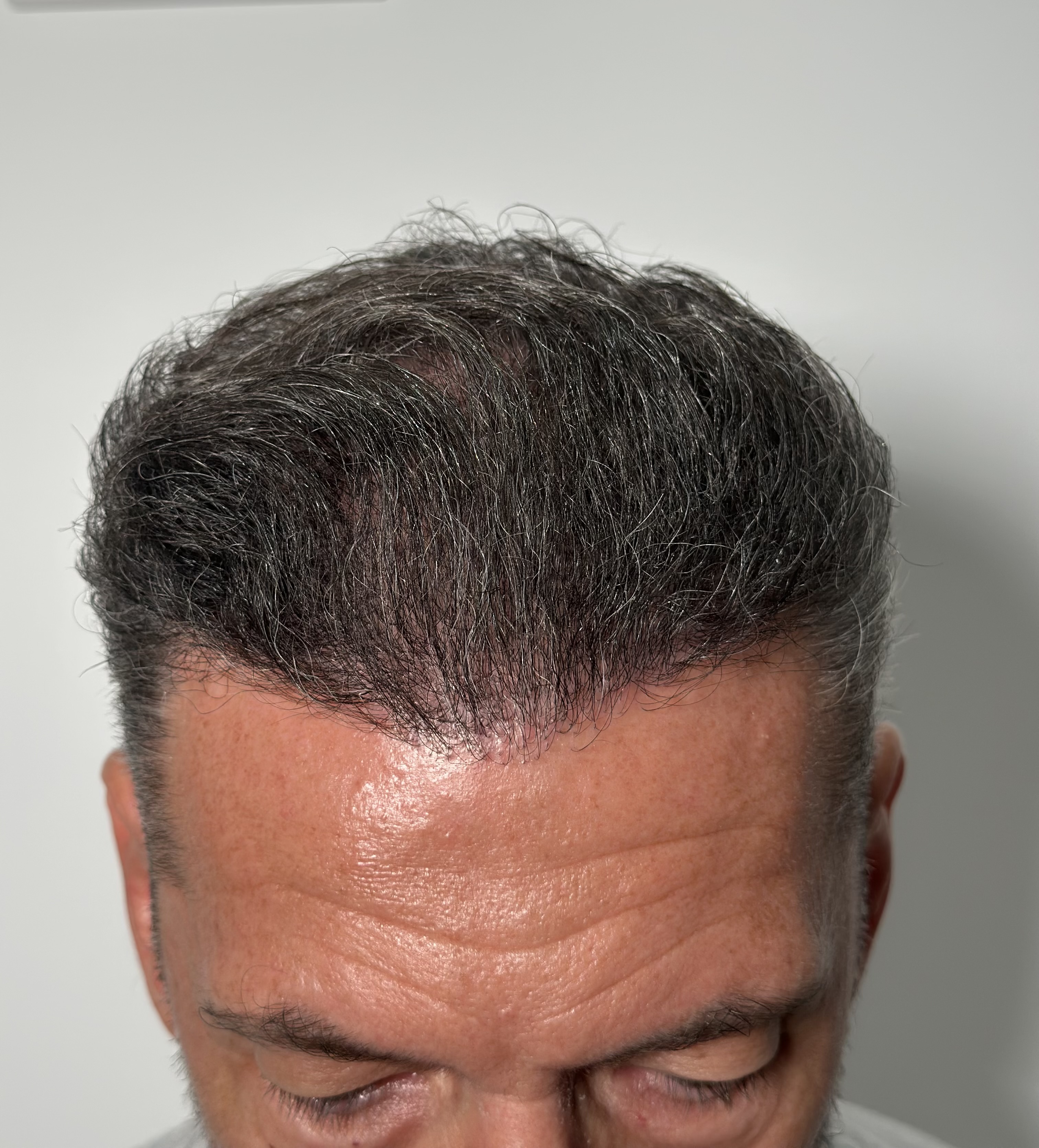
Some before/after photos might suggest that a simple course of vitamins can restore a full head of hair.
Yet, it's important to remain cautious.
Each type of hair loss has a different cause:
- androgenetic alopecia
- deficiencies
- stress
- hormonal imbalances
- reactive hair loss
- scalp conditions
Without an accurate diagnosis, it's very difficult to know which treatment is truly appropriate.
8. When can dietary supplements be useful?
Dietary supplements are far from useless.
They can be beneficial in several situations:
- weakened hair
- identified nutritional deficiencies
- temporary hair loss
- recovery after a period of stress
- overall support for hair health
They can also be integrated into a more comprehensive hair care strategy.
The important thing is simply to understand their limitations.
9. Hair Transplant: A Completely Different Approach
Unlike dietary supplements, a hair transplant in Nice relies on the transfer of actual hair follicles from the donor area.
These follicles are then implanted into thinning areas to permanently restore density.
It's not about stimulating an existing follicle, but rather re-implanting hair where it has disappeared.
This is why the two approaches address different issues.
10. The Importance of Diagnosis Before Any Treatment
Before starting vitamins, medical treatment, or considering a hair transplant in Nice, it is essential to precisely understand the cause of hair loss.
At Hexagone Clinic, the hair assessment allows us to evaluate, among other things:
- the type of alopecia
- scalp quality
- hair density
- the condition of the donor area
- the probable progression of hair loss
This step helps avoid wasting time on unsuitable solutions.
11. Hexagone Clinic: A Personalized Approach to Hair Health
At Hexagone Clinic in Nice, Dr. Claire Sabatier-Cabrol and Dr. Henry Sabatier take the time to analyze each situation before proposing a solution.
The goal is not to systematically recommend a hair transplant, but to build a strategy tailored to each patient.
Depending on the case, this may include:
- nutritional advice
- complementary treatments
- monitoring of progression
- scalp care
- hair transplant when indicated
Frequently Asked Questions (FAQ)
Can dietary supplements regrow hair?
They can improve the quality of existing hair, but they do not recreate lost follicles.
Do hair gummies really work?
They can be helpful for deficiencies or weakened hair, but their results are limited for established androgenetic alopecia.
Can vitamins prevent a hair transplant?
In some early cases, treatments can support existing hair. However, a completely bald area generally cannot be recolonized solely with dietary supplements.
How do I know if my hair loss requires a transplant?
A hair assessment performed by a specialized team can accurately evaluate the options suitable for your situation.
In conclusion
Dietary supplements now play an important role in hair care. They can help improve the quality of existing hair and support certain specific situations.
However, they should not be confused with a solution capable of replacing a hair transplant in Nice when follicles are gone.
Before investing in multiple treatments or products, it is essential to precisely understand the origin of your hair loss in order to implement a truly suitable strategy.
📞 Feel free to contact us for a consultation and start your journey towards renewed hair!